

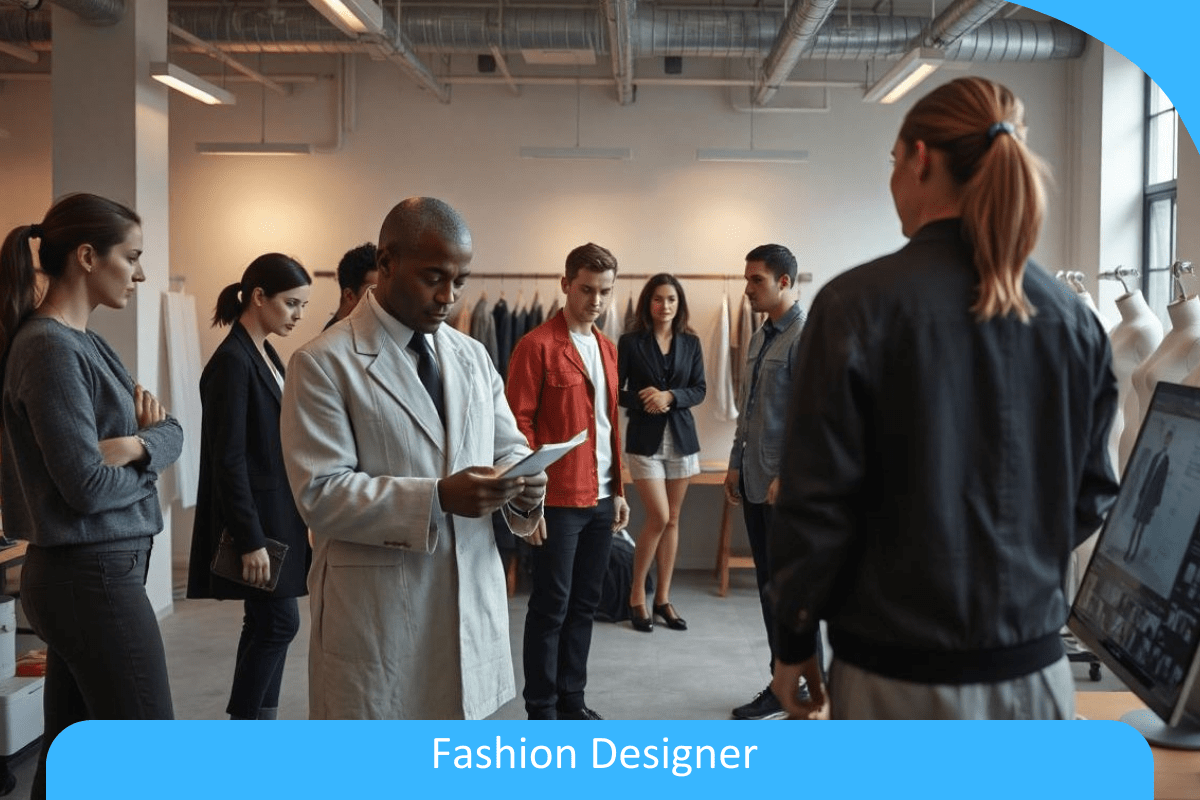
Fashion in 2026 feels different. The industry is moving faster, ideas travel globally in seconds, anddesigners are no longer just creating clothes, they are shaping culture. From experimental materials to digital runway presentations, fashion today blends creativity with technology in ways that were almost unimaginable a decade ago. If you look closely, you will notice that the most exciting trends are not only about aesthetics but also about storytelling, identity, and innovation.
Across global fashion capitals, a new group of influential fashion creators 2026 is transforming the direction of style. These designers are redefining how collections are built, how brands communicate with audiences, and how clothing reflects social values. Instead of simply following seasonal trends, these creative leaders introduce ideas that ripple through fashion weeks, social media, and everyday wardrobes around the world.
The New Generation of Fashion Designers
Fashion is currently experiencing a generational shift. A wave of innovative designers is entering the industry with bold perspectives, blending heritage with technology while responding to the expectations of modern consumers. These creators are not afraid to challenge tradition and explore new approaches that redefine how fashion operates globally.
Many of these emerging fashion creators bring diverse backgrounds into their work. Some studied architecture, digital art, or product design before entering fashion, which gives their collections a unique conceptual depth. Their ability to combine creative disciplines allows them to produce collections that feel fresh, intelligent, and culturally aware.
Young designers redefining global fashion
Young designers are quickly gaining global attention because they approach fashion differently. Instead of relying solely on established systems, they use online platforms, direct-to-consumer strategies, and independent production networks to launch their labels.
Their collections often reflect broader cultural conversations, sustainability, identity, and inclusivity. As fashion journalist Vanessa Friedman, fashion director of The New York Times, once noted, “The most exciting designers today are not just making clothes; they are creating ideas that shape how we see the world.” This perspective explains why younger designers are gaining recognition faster than ever before.
Digital fashion and virtual runways
Technology has dramatically transformed the fashion presentation itself. Virtual runway shows, digital garments, and augmented reality experiences are becoming increasingly common in the industry.
Designers now create 3D prototypes, allowing them to experiment with silhouettes and materials before producing physical garments. These digital collections can reach global audiences instantly, breaking the limitations of traditional fashion shows. As a result, fashion houses can connect with consumers in real time, creating a more interactive and immersive experience.
Sustainability driven design concepts
Environmental responsibility is now one of the defining themes in contemporary fashion. Designers are experimenting with recycled fabrics, plant-based materials, and circular production systems to reduce waste.
Many brands are also adopting slower production cycles, focusing on timeless pieces rather than disposable trends. This shift reflects a broader movement where designers aim to balance creativity with responsibility, ensuring that fashion innovation aligns with environmental awareness.
Innovative Design Approaches in 2026
Design philosophy is evolving rapidly in 2026. Designers are no longer restricted by traditional techniques; instead, they explore interdisciplinary approaches that combine culture, technology, and modern social values.
The industry now rewards experimentation. Designers who take risks with materials, storytelling, and structure often lead the conversation about what fashion means in the modern world.
Technology integration in clothing design
Technology has become a creative partner for many designers. Artificial intelligence helps predict trends, while smart textiles introduce functionality that goes beyond aesthetics.
Some garments now integrate temperature-regulating fabrics, interactive materials, or wearable technology. These innovations transform clothing into adaptive products that respond to the needs of the wearer. The result is fashion that merges design with performance and innovation.
Cultural inspiration in modern collections
Cultural storytelling remains one of the most powerful inspirations in fashion. Designers frequently draw from regional textiles, traditional craftsmanship, and historical references to create modern interpretations.
By blending heritage with contemporary aesthetics, designers build collections that resonate globally while preserving cultural identity. This balance between tradition and innovation often results in some of the most memorable runway moments.
Gender neutral fashion concepts
Another powerful shift in fashion design is the rise of gender-neutral collections. Many designers are moving beyond traditional labels of menswear and womenswear, creating pieces that focus on individuality rather than categories.
This approach reflects changing cultural attitudes toward identity and self-expression. Fashion becomes more inclusive, allowing people to choose clothing based on style and comfort rather than rigid definitions.
How Designers Influence Consumer Trends
Designers do more than present collections, they influence how consumers perceive style and identity. Their ideas spread through runway shows, social media, celebrity endorsements, and cultural conversations.
Fashion trends often begin with a small creative concept before evolving into global phenomena. Designers act as cultural interpreters who translate social changes into visual expression.
Fashion weeks and global exposure
Fashion weeks remain powerful platforms where designers introduce new ideas to the world. Events in cities such as Paris, Milan, London, and New York attract journalists, buyers, influencers, and stylists from across the globe.
These events create immediate visibility for designers and allow innovative concepts to reach international audiences. A single runway presentation can influence trends for entire seasons.
Social media collaborations with designers
Social media has dramatically accelerated the spread of fashion trends. Designers collaborate with digital creators, influencers, and stylists to introduce their collections to wider audiences.
Platforms like Instagram and TikTok allow designers to share behind-the-scenes moments, design processes, and creative inspirations. This transparency helps audiences connect with brands in a more personal and engaging way.
Celebrity influence on designer brands
Celebrity culture continues to play a significant role in shaping fashion trends. When well-known musicians, actors, or athletes wear designer pieces, those designs often gain instant global attention.
Fashion historian Valerie Steele, director of the Museum at FIT, once explained that “fashion becomes powerful when it intersects with culture and celebrity.” This intersection explains why designer collaborations with celebrities often create iconic fashion moments that influence consumer demand.
Explore the Designers Shaping the Future of Fashion
The fashion industry is entering a fascinating new chapter. Designers are no longer limited to traditional creative boundaries, they are exploring technology, sustainability, and cultural storytelling to redefine what fashion represents.
If you follow the work of influential fashion creators 2026, you begin to see how quickly the industry evolves. These designers shape not only what people wear but also how fashion reflects identity, innovation, and social change. Watching their work unfold is like observing the blueprint of tomorrow’s style.
Curious to see where fashion goes next? Keep exploring the designers and ideas shaping today’s global fashion conversation.