

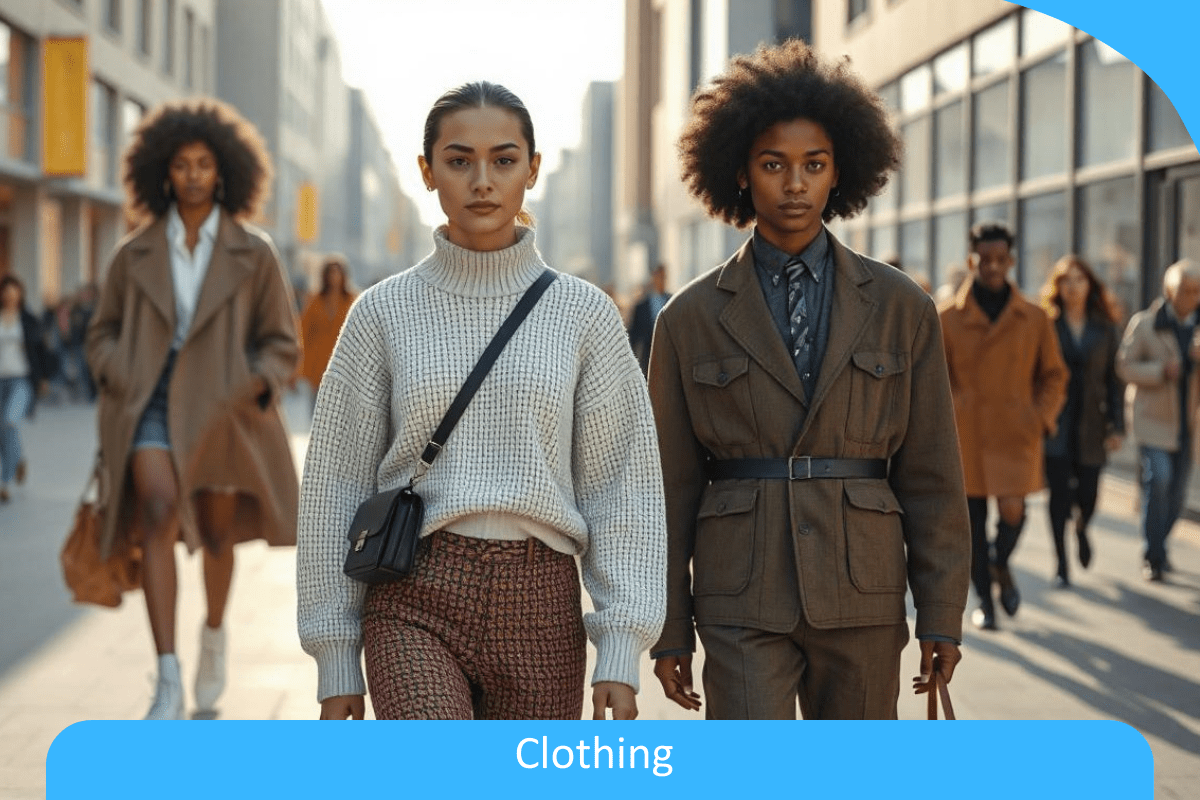
Fashion never stands still. Every year brings subtle transformations that slowly reshape the way people dress, express themselves, and interact with culture through clothing. What makes the next wave of style particularly fascinating is how it blends comfort, nostalgia, and environmental awareness into a unified direction. Across runways, city streets, and social media feeds, fashion in 2026 feels more personal, adaptable, and globally connected than ever before.
At the center of this transformation is the growing attention toward upcoming apparel styles 2026, a phrase that captures the curiosity of readers who want to understand where fashion is heading next. Designers, stylists, and everyday fashion enthusiasts are all observing how silhouettes evolve, fabrics become more sustainable, and styling becomes more versatile. The result is a fashion landscape that feels both forward-thinking and surprisingly familiar.
Key Clothing Trends Dominating 2026
The fashion industry rarely changes overnight, but certain patterns gradually rise until they become impossible to ignore. In 2026, clothing trends are driven by a mix of comfort-focused tailoring, nostalgic inspiration, and a renewed appreciation for versatile everyday pieces.
Interestingly, many of these evolving styles are closely connected to trending streetwear outfits, which continue to influence global fashion from major cities to smaller creative communities. Streetwear has become a powerful cultural bridge between luxury design, youth expression, and practical everyday clothing.
Oversized Silhouettes and Relaxed Fits
One of the most visible aspects of modern fashion is the dominance of relaxed silhouettes. Oversized jackets, loose trousers, wide denim cuts, and unstructured blazers are appearing everywhere, from runway shows to everyday wardrobes.
These designs reflect a broader cultural shift toward comfort and freedom of movement. Rather than tightly tailored clothing, people are gravitating toward garments that feel breathable and adaptable throughout the day. The aesthetic also allows for creative layering, which gives wearers the opportunity to personalize their look. Fashion historian Valerie Steele explains this phenomenon clearly, saying, “Fashion silhouettes often mirror social attitudes, and today’s oversized styles reflect society’s growing desire for comfort and individuality.”
Neutral Tones and Natural Fabrics
Another defining element of fashion in 2026 is the widespread use of neutral colors and natural fabrics. Shades like sand, olive, beige, clay, and charcoal are dominating seasonal collections because they provide versatility and timeless appeal.
Designers are pairing these tones with materials such as organic cotton, linen, hemp blends, and recycled textiles. These fabrics not only feel lighter and more breathable but also reflect growing environmental awareness within the fashion industry.
Neutral palettes also make it easier to build capsule wardrobes. A few carefully chosen garments can be styled repeatedly in different combinations, creating new outfits without constantly purchasing new items.
Retro Styles Making a Comeback
Fashion has always borrowed inspiration from the past, and 2026 continues that tradition with a strong revival of retro aesthetics. Elements from the late 1990s and early 2000s, such as cargo pants, vintage denim jackets, bold graphics, and chunky sneakers, are returning to popularity.
What makes this revival interesting is how designers reinterpret nostalgic elements using modern materials and construction techniques. The result feels familiar yet refreshed, giving younger generations a chance to experience classic styles through a contemporary lens.
This resurgence also demonstrates fashion’s cyclical nature. What once felt outdated often returns as a source of inspiration for new creative interpretations.
Sustainable Fashion Movement
Beyond visual style, fashion is undergoing a deeper transformation related to sustainability. Consumers are no longer satisfied with clothing that simply looks good, they also want garments that are responsibly produced and environmentally conscious.
As fashion awareness grows, discussions around trending streetwear outfits increasingly include topics like material sourcing, production transparency, and garment longevity. Sustainability is no longer a niche concern; it is becoming an essential pillar of modern fashion culture.
Eco Friendly Materials in Clothing
One of the most significant developments in recent years is the emergence of eco-friendly fabrics. Designers are experimenting with recycled polyester, plant-based leather alternatives, bamboo textiles, and biodegradable fibers.
These materials help reduce waste while maintaining durability and aesthetic appeal. Brands are also investing in innovative textile technology to create fabrics that require less water, fewer chemicals, and lower energy consumption during production. Sustainability researcher Kate Fletcher emphasizes the importance of this shift, stating, “The future of fashion depends on materials that respect ecological limits while still allowing creativity and innovation to flourish.”
Slow Fashion Versus Fast Fashion
Another conversation shaping fashion in 2026 revolves around the contrast between slow fashion and fast fashion.
Fast fashion focuses on rapid production cycles and affordable pricing, allowing trends to reach stores quickly. However, it often leads to short-lived garments and increased textile waste.
Slow fashion, in contrast, prioritizes durability, craftsmanship, and thoughtful consumption. Many consumers are now choosing fewer but higher-quality pieces that last longer and maintain their appearance over time.
This shift encourages people to think carefully about their purchases, transforming clothing from disposable items into meaningful investments.
Ethical Production Practices
Transparency has become a critical expectation in the fashion industry. Consumers increasingly want to know where their clothes come from, who made them, and under what conditions they were produced.
Brands that openly share information about their supply chains, labor practices, and environmental impact tend to build stronger trust with customers. Ethical production not only improves working conditions but also strengthens a brand’s reputation and long-term credibility.
As awareness grows, responsible manufacturing practices are gradually becoming a defining characteristic of modern fashion brands.
Seasonal Clothing Trends to Watch
Although long-term movements shape the industry, seasonal trends still influence how people build their wardrobes throughout the year. Designers continue to adapt new ideas into practical clothing that works for different climates and lifestyles.
Understanding these seasonal shifts helps readers anticipate how upcoming apparel styles 2026 may evolve across different times of the year.
Summer Breathable Fashion Styles
Summer fashion is increasingly focused on comfort and airflow. Lightweight fabrics such as linen, cotton blends, and moisture-wicking materials dominate warm-weather collections.
Loose silhouettes, short-sleeve shirts, relaxed shorts, and breathable dresses are common choices for maintaining comfort while still looking polished. Soft color palettes and sun-washed tones also help reflect the relaxed mood of the season.
Winter Layering Trends
Winter wardrobes in 2026 emphasize strategic layering rather than bulky outerwear. Instead of relying on a single heavy coat, many outfits combine multiple lighter garments to create warmth and visual depth.
Thermal base layers, oversized knit sweaters, structured coats, and textured scarves are commonly combined to create stylish yet functional winter outfits. This layered approach also makes it easier to adjust clothing throughout the day as temperatures change.
Versatile Outfits for All Seasons
One of the most practical ideas shaping modern wardrobes is versatility. Many designers are now creating garments that can be worn across multiple seasons with minor styling adjustments.
For example, a lightweight trench coat can work in spring, fall, and even mild winter conditions. Similarly, adaptable garments such as convertible jackets or modular layers allow wearers to adjust their outfits without constantly buying new clothes.
This versatility aligns perfectly with the growing interest in minimalist wardrobes and more intentional fashion choices.
Stay Ahead by Following the Latest Clothing Trends
Fashion is constantly evolving, but understanding the direction of upcoming apparel styles 2026 allows readers to approach trends with more confidence and creativity. When you recognize how silhouettes, materials, and cultural influences interact, you begin to see fashion as more than just seasonal changes, it becomes a reflection of lifestyle and identity.
Ultimately, the most exciting part of modern fashion is how accessible experimentation has become. Anyone can mix retro inspiration, relaxed tailoring, and sustainable fabrics to create a personal style that feels authentic. If these trends spark your curiosity, keep exploring the world of fashion and discover how the next generation of clothing might shape your own wardrobe.